
Many parents find themselves asking the same questions when their child starts talking about an e-scooter or e-bike. Is it safe? Are they ready? What are the rules? How much supervision do they need?
There is no single answer that applies to every young person. Safe riding depends on a combination of factors including the device being used, the rider’s maturity and judgement, the environment they ride in and how well they understand the risks.
This page provides practical, evidence based guidance to help you make informed decisions, set clear expectations and support your child to ride safely.
Understanding the risks
Serious e-scooter and e-bike injuries have increased significantly across Australia since 2020, with head injuries among the most serious outcomes. Serious incidents are rarely caused by one factor alone. Common contributing factors include non-compliant devices, limited hazard awareness, failure to wear a helmet and the influence of peers.
Rules and laws exist to reduce these risks. They provide the foundation for safe riding, but factors such as judgement, hazard awareness and peer influence also play an important role.
Injury data
Key findings from Australian and international research, current to 2026:
- Emergency department presentations involving e-scooters have risen across Queensland, Victoria and New South Wales since 2020.
- Head injuries remain among the most serious outcomes. While helmets significantly reduce the risk of severe injury, they cannot eliminate the forces involved in high speed falls and collisions.
- Adolescents and young adults are over represented in injury data relative to their share of device use.
- Most serious incidents involve a combination of contributing factors rather than a single cause.
The same patterns are documented in the United Kingdom, Europe and North America.
Choosing a legal and compliant device
Many parents are surprised to learn that some e-scooters and e-bikes sold online or through retail stores may not comply with the laws that apply in their state or territory.
Non-compliant and modified devices are associated with a greater risk of serious injury. They are also faster than legal limits allow, which means less time to react and greater impact force in a fall or collision.
Before buying, confirm the device meets your state’s legal requirements for speed, power output and electrical safety.
Do not assume a device is compliant simply because it is sold in a retail store or recommended by a salesperson. Always check that it meets the requirements that apply in your state or territory before purchasing.

What makes a device non-compliant
A device is generally considered non-compliant if it:
- Exceeds the legal maximum speed, typically 25 km/h for e-bikes and between 10 and 25 km/h for e-scooters depending on the state
- Has a motor exceeding the legal power output
- Has been modified after purchase to increase speed or power
- Does not meet Australian electrical safety standards
- Can bypass speed or power restrictions
Many devices sold through online marketplaces do not meet Australian standards. Always ask for compliance documentation before purchasing.
Why non-compliant devices cause more serious injuries
Many parents wonder whether it really matters if a device can travel a little faster than the legal limit. The reality is that speed restrictions exist for a reason.
As speed increases, riders have less time to identify hazards, make decisions and react to unexpected situations. More importantly, the severity of injuries increases dramatically when a crash occurs. A fall from a device travelling at 40 km/h is far more likely to result in serious injury than a fall at 20 km/h. Higher speeds are associated with more severe head injuries, fractures and hospitalisations.
Legal speed and power limits are designed to reduce both the likelihood and severity of crashes. A non-compliant device is not simply a faster version of a legal one. It exposes a young rider to risks that increase much more quickly than many parents realise.
Before purchasing, ask yourself: if your child falls from this device tomorrow, would you rather they were travelling at the legal speed or significantly above it?
Consequences for families
The consequences of a non-compliant device can extend well beyond the rider. Depending on the circumstances and the laws that apply in your state or territory:
- Personal and home insurance may not cover injuries or liability claims involving a non-compliant device
- Parents may face financial liability if their child injures another person or damages property
- The child may face fines, device confiscation and loss of riding privileges
Many parents focus on the purchase price of a device. Far fewer consider the potential financial, legal and personal consequences if something goes wrong.
Is your child ready
Knowing the rules is the starting point, not the finish line. Legal age to ride is a minimum set by law, not a measure of capability. Most young people are absolutely capable of becoming safe and responsible riders. The goal is to match their independence to their demonstrated readiness, not assume that legal permission equals safe practice.
Readiness checklist
Is my child legally old enough to ride unsupervised in our state?
Do they know the rules that apply, including where they can ride, speed limits and helmet laws?
Is the device legal, unmodified and compliant?
Do they wear a helmet on every ride without being reminded?
Can they make safe, predictable choices consistently when I am not watching?
Have we talked about peer pressure, judgement and what to do if something goes wrong?
If the answer to any of these is no then more preparation is likely needed.
Understanding adolescent development and what it means for riding
The part of the brain responsible for impulse control and risk evaluation continues developing into the mid-twenties. This affects how young people process risk in fast-moving situations and explains why knowing the rules and applying them under pressure are different skills.
In practice, young people are more likely to:
- React impulsively rather than pause and assess
- Underestimate speed and stopping distance
- Take greater risks when peers are present
- Struggle to manage speed, distraction and a complex environment at the same time
These are developmental characteristics, not permanent ones. Building independence gradually through supervised practice and honest assessment is the most effective response.
A young person ready to ride independently can consistently demonstrate, without prompting:
- Scanning ahead and anticipating hazards early
- Predicting what pedestrians, cyclists and drivers are likely to do
- Managing peer pressure and emotion while riding
- Recognising unsafe conditions and choosing to stop
- Riding within the legal limits and their own capability
What parents can do
The good news is that parents remain one of the strongest influences on how young people approach risk. The actions below can help reduce risk and build safer riding habits.
Know the rules first
Before any device arrives, understand what is legal in your state or territory. Know where it can be ridden, the speed limits, minimum age requirements and helmet laws. This is the foundation everything else rests on.
Set expectations before the device arrives
Rules set in advance are easier to enforce. Agree on where the device can be used, that helmets are non-negotiable, that modifications are never permitted and what happens if the rules are not followed.
Build independence gradually
Start with supervised riding in low-risk environments. Increase complexity as your child demonstrates capability. After each session, ask what went well, what felt difficult and what they would do differently. These conversations build the judgement and decision making skills that transfer to independent riding.
Help your child manage peer pressure
Friends can have a powerful influence on behaviour. If friends are riding illegally, carrying passengers or taking risks, help your child prepare a response in advance. Something as simple as, “My parents will take it off me,” can provide a socially acceptable way to make the safer choice without losing face.
Establish non-negotiable habits
Create a small number of rules that apply every ride. Wear a helmet every time. Never carry passengers. Avoid headphones while riding. Use lights when visibility is reduced. Ride predictably and always give way to pedestrians.
More on peer pressure, supervised practice and building safe habits
Peer presence increases risk. Research consistently shows that young people are more likely to take risks when peers are present. The situations where young people are most likely to ride, with friends after school and on weekends, are also the situations where peer influence is strongest.
What helps
1. Talk regularly about what riding with friends is actually like. Ask about close calls and difficult situations. Young people are more honest when these conversations are normal rather than only happening after something goes wrong or like a lecture.
2. Acknowledge peer pressure as real rather than dismissing it. Giving your child strategies to manage it is more effective than simply telling them to ignore it.
3. Connect with other parents about shared expectations. When multiple families hold the same line on helmets, legal devices and safe behaviour, the peer norm begins to shift.
4. Making supervised practice count.
5. Start in low-risk environments such as quiet paths and parks.
6. Gradually introduce shared paths, intersections and varied conditions.
7. Include situations where real decisions are required, not just clear open spaces.
8. Debrief after every session using three simple questions: What went well? What felt difficult? What would you do differently?
These conversations help build the reflective habits that make the biggest difference when your child eventually rides independently.
Parents play a critical role in helping young people ride safely. Schools can help reinforce those messages before independent riding becomes a regular part of everyday life.
The BRAKE E-Mobility Education Program is delivered by classroom teachers and provides students with practical education on e-scooters and e-bikes before they ride independently. The program helps young people understand the rules, recognise hazards, manage peer influence and develop the habits that support safer decision making.
Topics include legal requirements, device compliance, helmet use, speed, shared path behaviour, hazard awareness and the influence of peers on risk taking.
When parents and schools deliver consistent messages, young people are more likely to make safer choices. Contact us below to find out whether your child’s school currently participates or to learn more about how the program works.

Students participating in a BRAKE E-Mobility lesson delivered by their classroom teacher.
E-mobility rules by state and territory
Rules differ across Australia. Always check the current official guidance for your state or territory and review it periodically, as e-mobility regulations continue to evolve.

Australian Capital Territory

New South Wales

Northern Territory

Queensland

South Australia
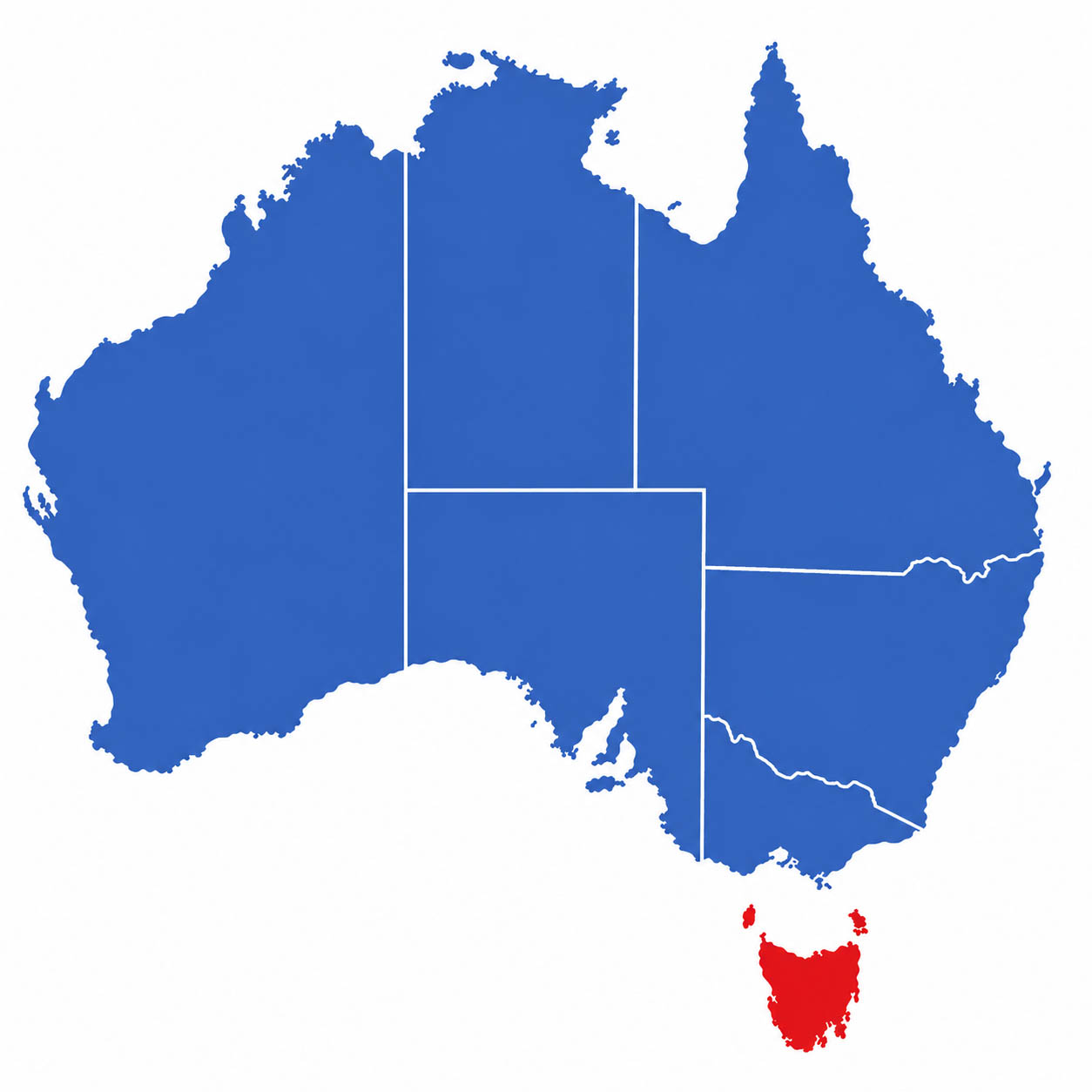
Tasmania

Victoria

Western Australia
Before purchasing a device or allowing independent riding, make sure you are referring to the most current information available where you live.
Latest research and news about PMDs and E-Bikes


